
Next-Gen AI Infrastructure: Why Smart Factories, Robots and Cities Need New Computing Systems
Next-Gen AI Infrastructure: Why Smart Factories, Robots and Cities Need New Computing Systems
AI is moving beyond chatbots and cloud apps. The next stage is intelligent computing for factories, robots, data centers and smart city systems.
Foxconn and Intel announced a strategic collaboration to build next-generation AI infrastructure and intelligent computing systems for data centers, factories, smart cities and robots.
What is next-generation AI infrastructure?
AI infrastructure means the physical and digital systems that allow AI to run. This includes processors, accelerators, servers, storage, networking, cooling, software platforms and energy-efficient data centers.
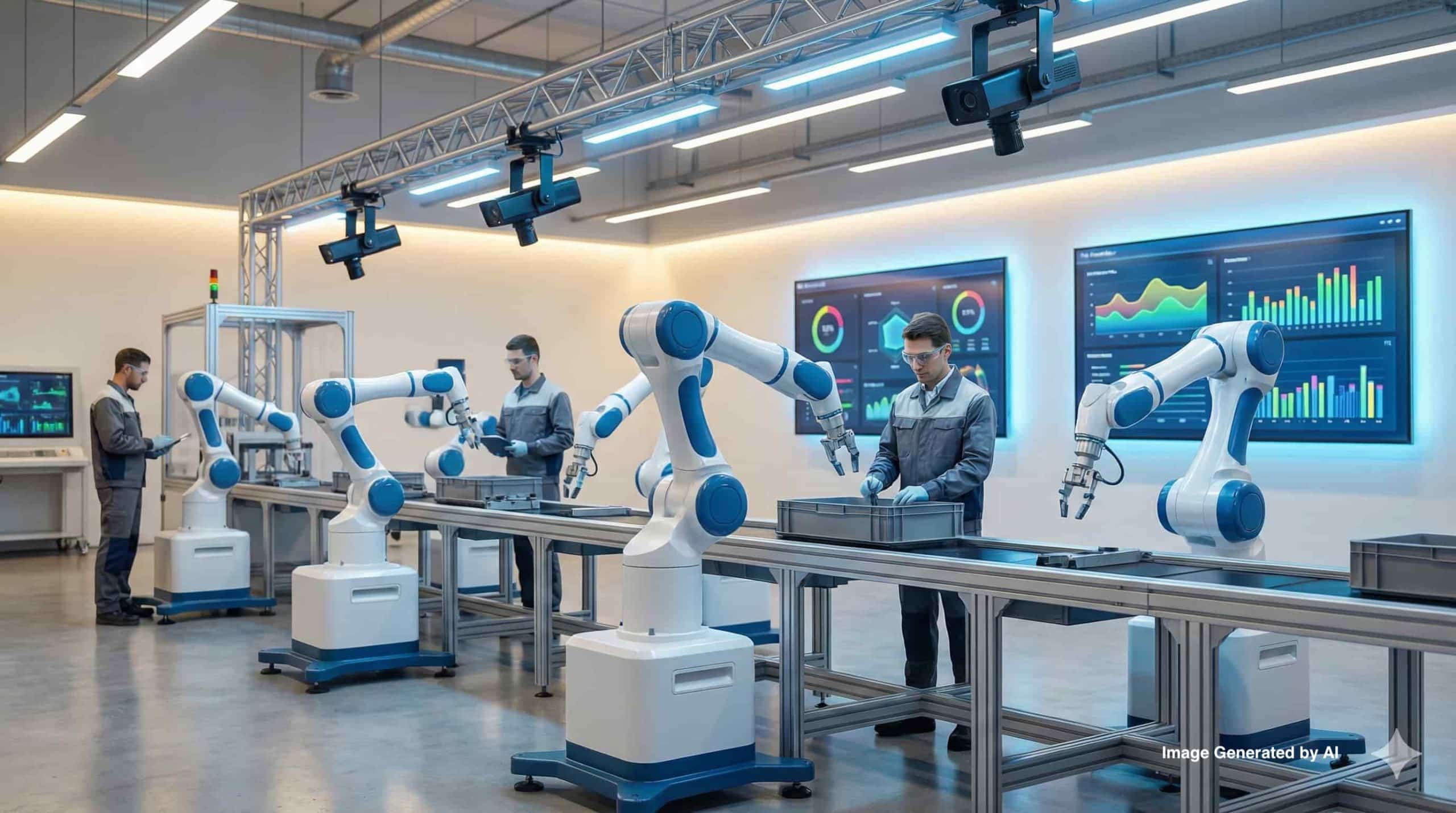
The new direction is not only “build bigger data centers.” Companies also want AI systems closer to real-world machines: factory robots, smart cameras, industrial sensors, autonomous systems and city infrastructure.
Beginner idea
Cloud AI is like a brain in a remote data center. Edge AI is like giving smaller brains to machines near the real world — robots, cameras, factories and vehicles — so they can react faster.
Traditional AI data center
- Runs large AI models in centralized servers.
- Useful for chatbots, search, coding and cloud services.
- Needs massive power and cooling.
- Works well for heavy processing.
- Can be slower for real-time local decisions.
Intelligent edge systems
- Bring AI closer to factories and machines.
- Help robots react quickly.
- Reduce delay for real-time decisions.
- Can improve privacy by processing locally.
- Need efficient chips and smart system design.
Reality check: AI infrastructure is expensive and complex. Success depends on energy efficiency, cooling, security, reliable hardware, useful software and skilled workers.
Why students should learn intelligent computing
Future AI jobs will not only be about writing prompts. Companies will need people who understand how AI systems actually run in factories, robots, vehicles, hospitals, ports, farms and city networks.
Students who combine AI basics with cloud, hardware, networking and cybersecurity can enter many growing fields: smart manufacturing, robotics, industrial AI, edge computing, data-center operations and AI safety.
Next-gen AI infrastructure roadmap for beginners
These projects are suitable for Blogger, ICT assignments, university presentations or portfolio learning.
One-month plan to learn intelligent computing basics
Final thoughts
The Foxconn and Intel collaboration shows where AI is going next. AI will not stay only in cloud chatbots. It will move into factories, robots, cities and industrial systems where speed, reliability and energy efficiency matter.
For students, this is a strong future-skill signal. Learn AI, cloud, networking, hardware and cybersecurity together. The next generation of technology will need people who understand the full system, not only one small part.
Today’s Student Takeaway
Future AI will run inside real-world systems. Students who understand intelligent computing can work in robotics, factories, smart cities and AI infrastructure.
Topic source: Reuters report on Foxconn and Intel’s strategic collaboration for next-generation AI infrastructure, intelligent computing platforms, AI data-center equipment, factories, smart cities and robots. Thumbnail image source: Unsplash free image.
Join the conversation