
Robot Patrol Dogs: Why Defense Technology Is Moving Toward Autonomous Security Systems
Robot Patrol Dogs: Why Defense Technology Is Moving Toward Autonomous Security Systems
Robotics is moving from factories into security, patrol, surveillance and remote-area protection. The next security workforce may work with robots, sensors and AI systems.
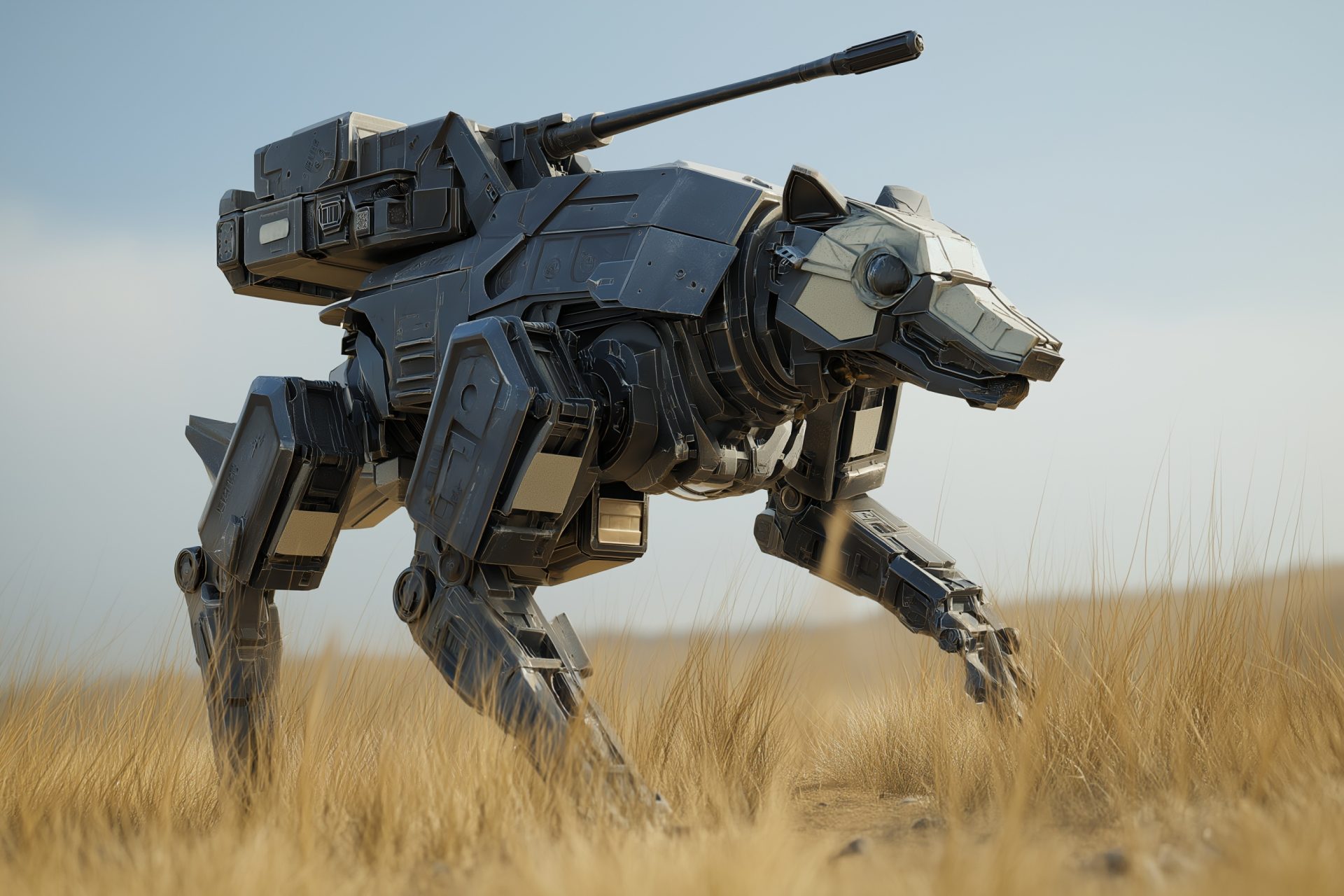
Taiwan’s military research institute has demonstrated robot patrol dogs for possible security and surveillance use on remote islands and coastlines.
What are robot patrol dogs?
Robot patrol dogs are four-legged robotic systems that can move across rough areas, carry cameras or sensors, and help humans inspect dangerous or remote locations. Some versions are designed for reconnaissance and surveillance, while others may support stronger defense roles.
Their main advantage is mobility. Wheeled robots may struggle on beaches, rocks, stairs or damaged ground. Four-legged robots can move more like animals, making them useful for patrol, search, inspection and security monitoring.
Beginner idea
A robot patrol dog is not just a “robot pet.” It is a mobile sensor platform. It can carry cameras, thermal sensors, communication systems and sometimes specialized equipment for security teams.
Human-only patrol
- Humans inspect dangerous places directly.
- Long patrols can be tiring and risky.
- Remote areas need more manpower.
- Night and bad weather can reduce visibility.
- Response depends on human safety first.
Robot-assisted patrol
- Robots can enter risky areas first.
- Cameras and sensors stream data to humans.
- Remote patrols can be more consistent.
- AI can help detect unusual movement.
- Humans still decide and supervise action.
Important: Robotic security systems must be controlled carefully. Students should learn the technology, ethics and safety side — not treat robots as toys or weapons.
Why students should learn robotics and autonomous security
This trend shows that robotics is becoming useful in defense, public safety, disaster response, infrastructure inspection and industrial security. Students who learn robotics can work in many areas beyond normal software jobs.
The important skills are not only mechanical design. Future robotics jobs need coding, AI, sensors, networking, cybersecurity, electronics, cloud dashboards and ethical decision-making.
Robot patrol technology roadmap for beginners
These projects are safe and suitable for Blogger posts, ICT assignments, robotics clubs or university presentations.
Final thoughts
Robot patrol dogs show how robotics is entering real security and defense discussions. These machines can support humans in dangerous or remote areas, but they also raise serious questions about safety, control and ethics.
For students, this is a strong future-skill signal. Learn robotics, AI, sensors, networking and cybersecurity together. The next generation of security technology will need people who understand both machines and responsibility.
Today’s Student Takeaway
Future security will not be only cameras and guards. It will include robots, AI, sensors and human-supervised autonomous systems.
Topic source: Reuters report on Taiwan’s military research institute demonstrating robot patrol dogs for possible remote island and coastline patrol use. Thumbnail image source: Unsplash free image.
Join the conversation