
Robotaxi Platforms: Why Self-Driving Mobility Is Becoming a Real Tech Career Field
Robotaxi Platforms: Why Self-Driving Mobility Is Becoming a Real Tech Career Field
Self-driving cars are moving from science-fiction demos toward ride-hailing platforms, electric fleets, AI software and real commercial testing.
Uber has committed close to $500 million to Nuro as part of a bigger robotaxi push with Lucid vehicles and autonomous-driving software.
What is a robotaxi platform?
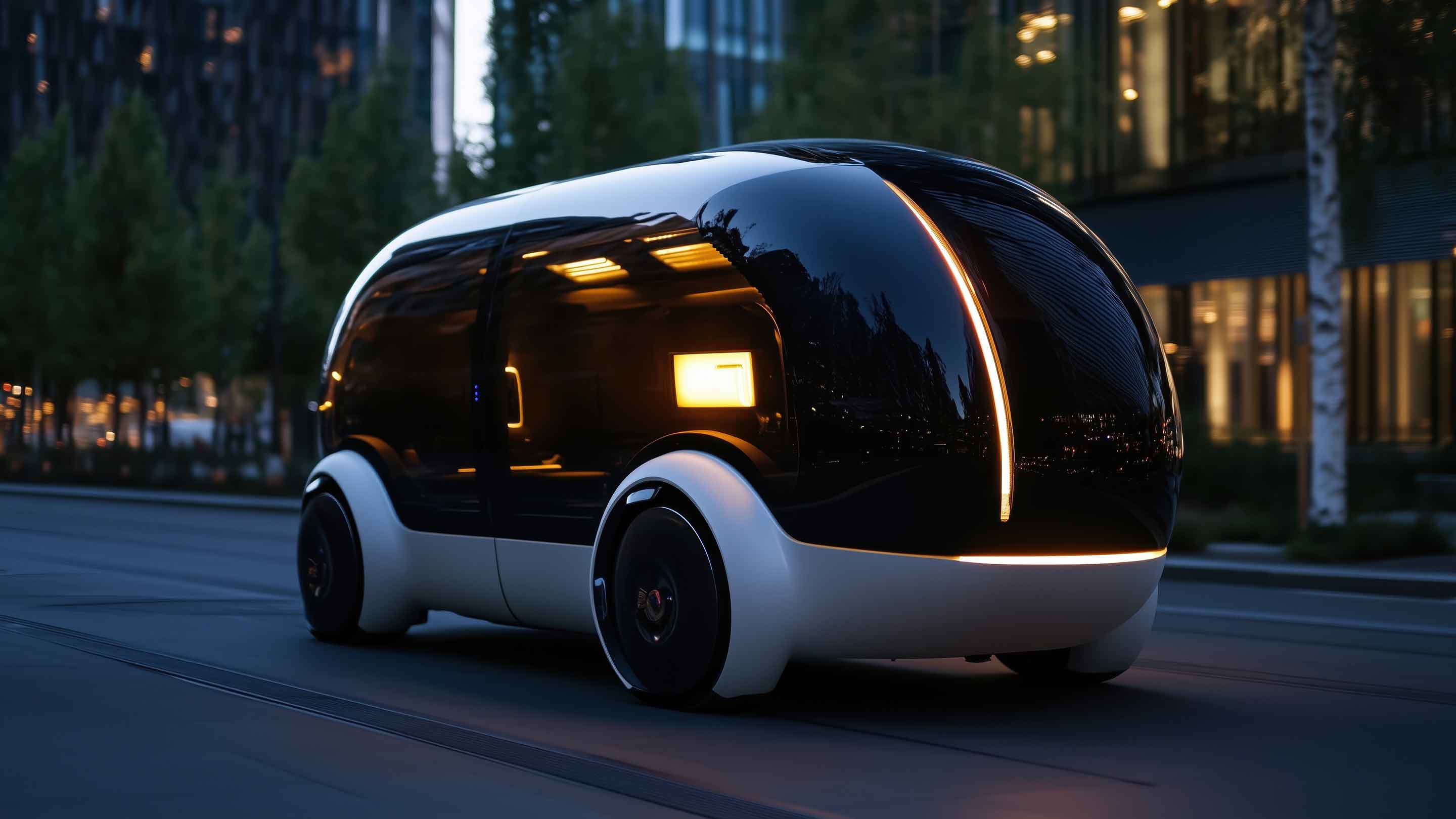
A robotaxi platform is a ride-hailing system that uses self-driving vehicles instead of human-driven taxis. It needs more than just a car. It needs sensors, AI driving software, safety rules, fleet management, passenger apps, cloud monitoring and maintenance teams.
The new robotaxi race is not only about one company building a self-driving car. It is about partnerships. One company may provide the vehicle, another may provide autonomous-driving software, and another may provide the ride-hailing platform that connects passengers.
Beginner idea
A robotaxi is like combining a taxi, a robot, a mobile app and a cloud control system. The car drives itself, but the full service depends on software, maps, sensors, networks, safety monitoring and customer support.
Traditional ride-hailing
- A human driver controls the car.
- The app matches rider and driver.
- Driver skill affects safety and comfort.
- Service cost includes driver income.
- Scaling depends on available drivers.
Robotaxi ride-hailing
- AI driving system controls the car.
- Sensors read roads, signs, lanes and obstacles.
- Cloud systems monitor fleet performance.
- Safety validation becomes extremely important.
- Maintenance and remote support teams are needed.
Reality check: Robotaxis still face safety, regulation, weather, mapping, public trust, insurance and cost challenges. Commercial success needs careful testing, not only hype.
Why students should learn autonomous mobility
Robotaxi technology connects many high-value skills. Students interested in computer science, electronics, statistics, mathematics, robotics, data science or cybersecurity can all find learning paths inside autonomous mobility.
The industry needs people who can work on perception, mapping, simulation, cloud monitoring, fleet operations, cybersecurity, safety testing, app development and data analysis.
Robotaxi learning roadmap for beginners
These projects are suitable for Blogger posts, university assignments, robotics clubs or AI portfolios.
One-month plan to understand robotaxi technology
Final thoughts
Uber’s major commitment to Nuro shows that robotaxis are becoming a serious platform business again. The industry is not only about one self-driving car. It is about vehicles, AI software, electric fleets, apps, cloud systems and safety operations working together.
For students, this is a valuable signal. Learn AI, robotics, cloud, data and cybersecurity together. Autonomous mobility can become one of the most interesting future tech career fields.
Today’s Student Takeaway
Robotaxis are not just driverless cars. They are full technology platforms. Students who understand the system can enter future mobility careers.
Topic source: Reuters report on Uber’s near-$500 million commitment to Nuro and the Uber-Nuro-Lucid robotaxi partnership. Thumbnail image source: Unsplash free image.
Join the conversation